Resources
Featured
Resources Library
One Health Vector-borne Diseases Symposium 2025
Posted on Apr 1, 2025
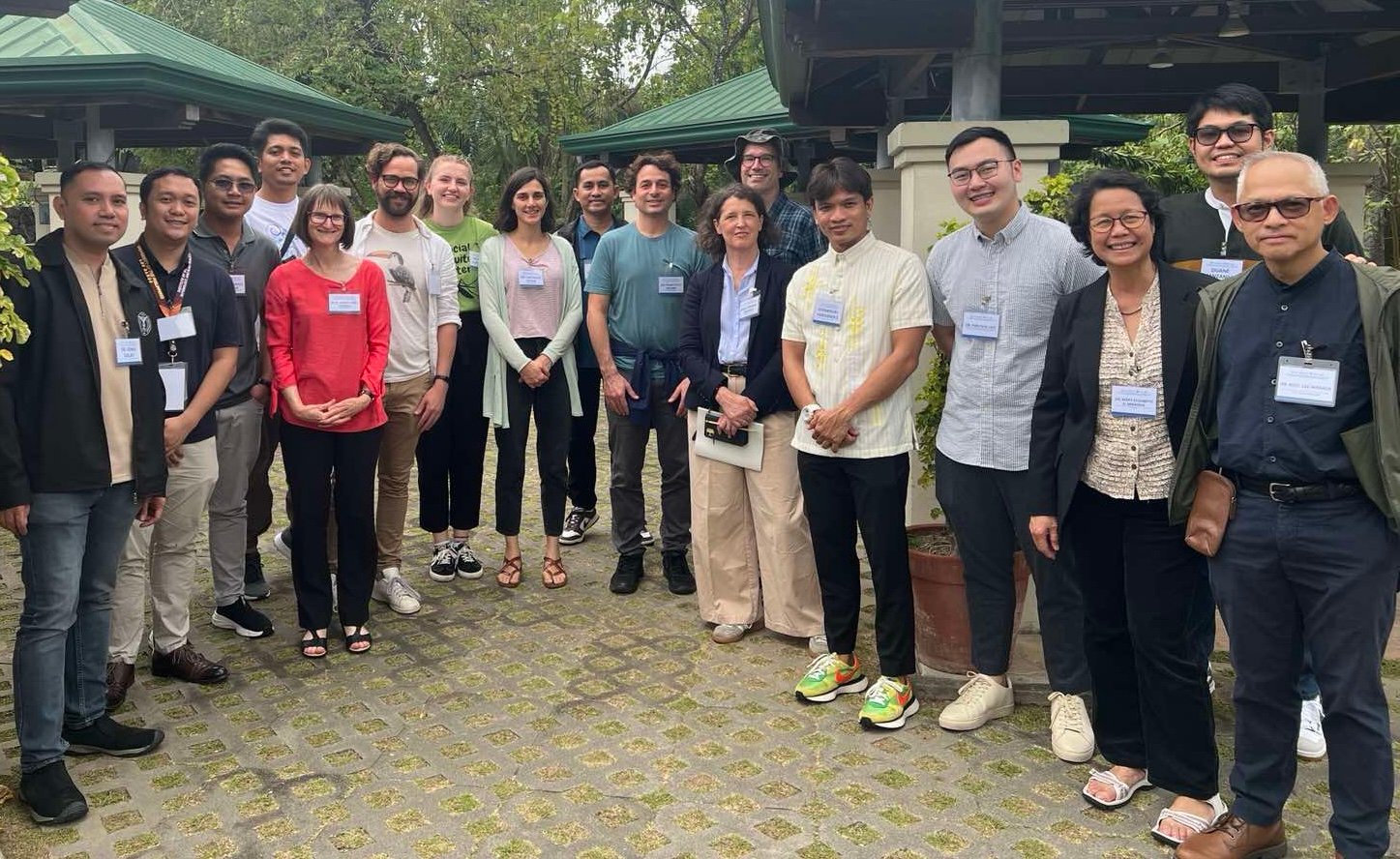
The Strategic Imperative: Collaboration for a Healthier Future The One Health Vector-borne Diseases Symposium, held in February 2025, emerged from a growing recognition that tackling infectious diseases requires a unified front. Bringing together diverse expertise from various research institutions and government researchers from the Philippines, from the University of Glasgow, and the University of Sydney, the event underscored the power of global collaboration. The core philosophy driving the symposium was the One Health approach, acknowledging that the health of humans, animals, and the environment are inextricably linked. With participants from multiple disciplines—epidemiologists, ecologists, entomologists, physicians, veterinarians, public health officials, and policymakers—this symposium underscored that no single sector or country can tackle these challenges alone. Only through cross-border collaboration, interdisciplinary research, and coordinated policy action can we develop sustainable and effective disease prevention strategies. By focusing on this interconnectedness, particularly concerning emerging arboviral diseases like Dengue and Japanese Encephalitis (JEV), the symposium aimed to forge more effective, holistic strategies for disease prevention and control, moving beyond siloed approaches. The gathering sought to foster transdisciplinary research partnerships capable of generating evidence-based solutions to these complex health threats. Achieving Objectives: A Symposium Unfolds Satellite Event (Workshop): Prior to the main symposium, a dedicated workshop provided hands-on training in the use of camera traps and telemetry data. Led by experts from the University of Sydney, participants learned about the practical applications of these tools in wildlife monitoring and disease surveillance, from planning deployment and field setup to data retrieval and analysis. Case studies involving African swine fever preparedness and rabies modeling highlighted the real-world utility of these techniques, generating ideas for future collaborative research. Day 1: Laying the Foundation: The first day was dedicated to building a shared understanding. Participants actively exchanged insights into how the One Health concept is approached and implemented within the Philippines, the UK, and Australia. Experts presented national overviews of vector-borne diseases, animal health priorities, the crucial role of qualitative research methods in understanding community perspectives, recent epidemiological findings on animal pathogens, and the developing legal frameworks supporting One Health initiatives in the Philippines. Through presentations and round-table discussions, country-specific challenges in managing arboviral diseases were identified, alongside existing research capabilities, setting the stage for targeted, evidence-based action. Day 2: Sharing Discoveries and Co-developing Plans: On the second day, the emphasis moved to exchanging cutting-edge research that bolsters the One Health strategy for controlling arboviral diseases. The agenda featured talks on various topics, such as specific research initiatives and their outcomes, the integration of One Health into local governance in the Philippines, monitoring Japanese encephalitis virus (JEV) in pigs and mosquitoes, the patterns of dengue outbreaks in areas like Baguio City, and studies on past and future excess dengue cases linked to temperature changes to shape climate change policies and direct resources for targeted climate and dengue interventions. Other discussions covered novel surveillance methods using mid-infrared spectroscopy (MIRS) for mosquito analysis, the environmental effects of vector control measures, research into alternative JEV hosts and pig immunity trends, the application of modeling to decode JEV transmission, and connecting field epidemiology training to One Health concepts. The enthusiasm from these talks fueled focused group discussions, which worked toward crafting tangible project proposals and encouraging practical research partnerships. Mapping the Landscape: Capabilities, Gaps, and Opportunities A Convergence of Expertise: The symposium showcased a broad range of expertise. Colleagues from the Philippines represented a wide array of institutions – from the national Department of Health Epidemiology Bureau, Research Institute for Tropical Medicine, and Bureau of Animal Industry, to academic centers like University of the Philippines Los Baños and Ateneo Center for Research and Innovation, the Field Epidemiology Training Program Alumni Foundation Inc. (FETPAFI), and vital frontline perspectives from local government units (LGU). Their contributions highlighted extensive local knowledge and ongoing efforts. International partners from the University of Glasgow brought strengths in vector biology, disease modeling, and novel technologies like infrared spectroscopy (MIRS), while the University of Sydney team shared extensive experience in JEV research following its emergence in Australia, alongside expertise in field epidemiology, biosurveillance methods, qualitative research, and capacity building initiatives like Asia Pacific Consortium of Veterinary Epidemiology (APCOVE). The collaborative spirit was evident throughout the interactions. Synergies in Knowledge Exchange: Discussions actively sought to bridge the gap between field research methodologies, such as Dr. Fe Esperanza Espino`s work using qualitative methods to understand community risk factors for malaria, and the practicalities of policy implementation, as detailed by Dr. Noel Lee Miranda regarding legal frameworks and Dr. Melanie Pescadilla`s experiences translating research into local veterinary codes. Best practices in community engagement were shared, alongside advancements in public health delivery and vector control. Innovative tools, from Glasgow`s MIRS for rapid vector analysis to Sydney`s use of camera traps and telemetry, were presented as powerful additions to the surveillance toolkit. Finding Common Ground: Despite diverse backgrounds and geographic locations, several unifying themes emerged. A universal commitment to the principles of the One Health approach was palpable, recognizing it as essential for effective disease control. Participants shared a keen interest in tackling transboundary arboviral threats, understanding that diseases like dengue and JEV respect no borders. Enthusiasm for collaborative capacity building, through training programs and workshops, and the potential for technology transfer, particularly in diagnostics and modeling, were recurring discussion points. The need for enhanced multisectoral coordination resonated across all participating groups. Identifying Research Gaps: Roundtable discussions brought critical research gaps to light. These included limitations in diagnostic capabilities for certain diseases, particularly in resource-limited settings, funding inequities that often leave the environmental sector under-resourced, and an incomplete understanding of complex disease cycles, including identifying all relevant animal reservoirs for JEV, mapping seasonal and spatial risk patterns, and detecting subclinical infections. Gaps in community awareness and participation in control efforts were noted, alongside unresolved questions about JEV immunity in pigs. The challenge of fragmented data across human, animal, and environmental health sectors, hindering integrated analysis, was a significant concern, as was the need for systematic insecticide resistance monitoring. Envisioning Future Projects: The symposium culminated in a forward-looking session where participants collaboratively outlined potential research projects spanning different scales and funding levels. Ideas ranged from focused seed projects (e.g., expanding local JE surveillance, assessing One Health knowledge among stakeholders, modeling climate impacts) to medium-term studies (e.g., comprehensive xenosurveillance for vectors and insecticide resistance, mapping JEV in new regions, granular data analysis within specific LGUs) and ambitious, large-scale initiatives (e.g., establishing national serosurveillance systems, a multi-faceted project for improved JEV mitigation including diagnostics, social science, and policy recommendations). These proposals provided tangible pathways for continued collaboration. Read the full report.
Virtual Newton Agham Fund Reception on 21 October 2021
Posted on Oct 20, 2021
World Rabies Day 2021: The impact of COVID-19 on the fight against rabies
Posted on Oct 8, 2021

SPEEDIER: Surveillance integrating Phylogenetics and Epidemiology for Elimination of Disease: Evaluation of Rabies Control in the Philippines (2019-2021)
Posted on Jul 31, 2021
Rabies, a horrific but preventable disease, kills over 200 people annually in the Philippines. The National Rabies Prevention and Control Program in the Philippines has catalysed control efforts with some provinces now aiming to declare freedom from rabies. However, outbreaks continue and human deaths still occur. While access to lifesaving post-exposure prophylaxis (PEP) for rabid bite victims has improved and has reduced mortality, it has proven expensive. Rising PEP use has put a strain on local and national budgets, even as rabies circulation has declined, raising the question of how these efforts can be sustained. Meanwhile, routine rabies surveillance in the Philippines has shortcomings and is not sufficiently sensitive for international agencies to recognize rabies-free areas or to rapidly respond to incursions which remain a risk while rabies circulates in other provinces in the country. As a result, surveillance needs strengthening and use of PEP needs rationalizing for the Philippines to fully benefit from rabies control measures that are currently underway. Integrated Bite Case Management (IBCM) has been identified as a potential strategy that can sufficiently enhance surveillance to enable verification of rabies freedom and rapid detection of incursions for effective outbreak responses to maintain rabies freedom. Operationalizing IBCM as a key component of enhanced surveillance should have immediately beneficial applications within the Philippines and could more broadly benefit the global campaign to eliminate human rabies deaths by 2030. SPEEDIER`s aim is to deliver a cost-effective, epidemiologically robust, enhanced surveillance and response package to guide and sustain the elimination of rabies from the Philippines. Specific objectives are to: Assess the impact of IBCM on increasing case detection of rabies and thereby enabling ?rapid and effective outbreak responses to maintain rabies freedom; ? Assess the potential for IBCM to improve patient care, by identifying and treating ?persons bitten by suspect rabid dogs who would otherwise be overlooked by the health ?system; Assess the impact of judicious protocols for administration of rabies PEP and therefore ?the potential for generating cost savings ? Determine whether IBCM and judicious PEP can be implemented as intended in ?different local contexts, identifying facilitators and barriers to successful implementation ?and sustainable roll out; ? Develop best practices for delivering enhanced surveillance to support rabies ?elimination, bridging research to policy and implementation; ? Develop decision support tools and guidance for risk assessment, outbreak response and ?maintaining rabies freedom in the Philippines. ? The study design comprises a feasibility study followed by an implementation study of IBCM with the active advocacy for rationalized use of PEP in the low socio-economic class provinces of Romblon and Oriental Mindoro, that include geographically isolated and disadvantaged communities. Through this implementation research we will develop best practice for an enhanced surveillance approach using IBCM as a strategy to detect rabid animals, with risk assessment of bite patients triggering epidemiological investigations and informing PEP use.